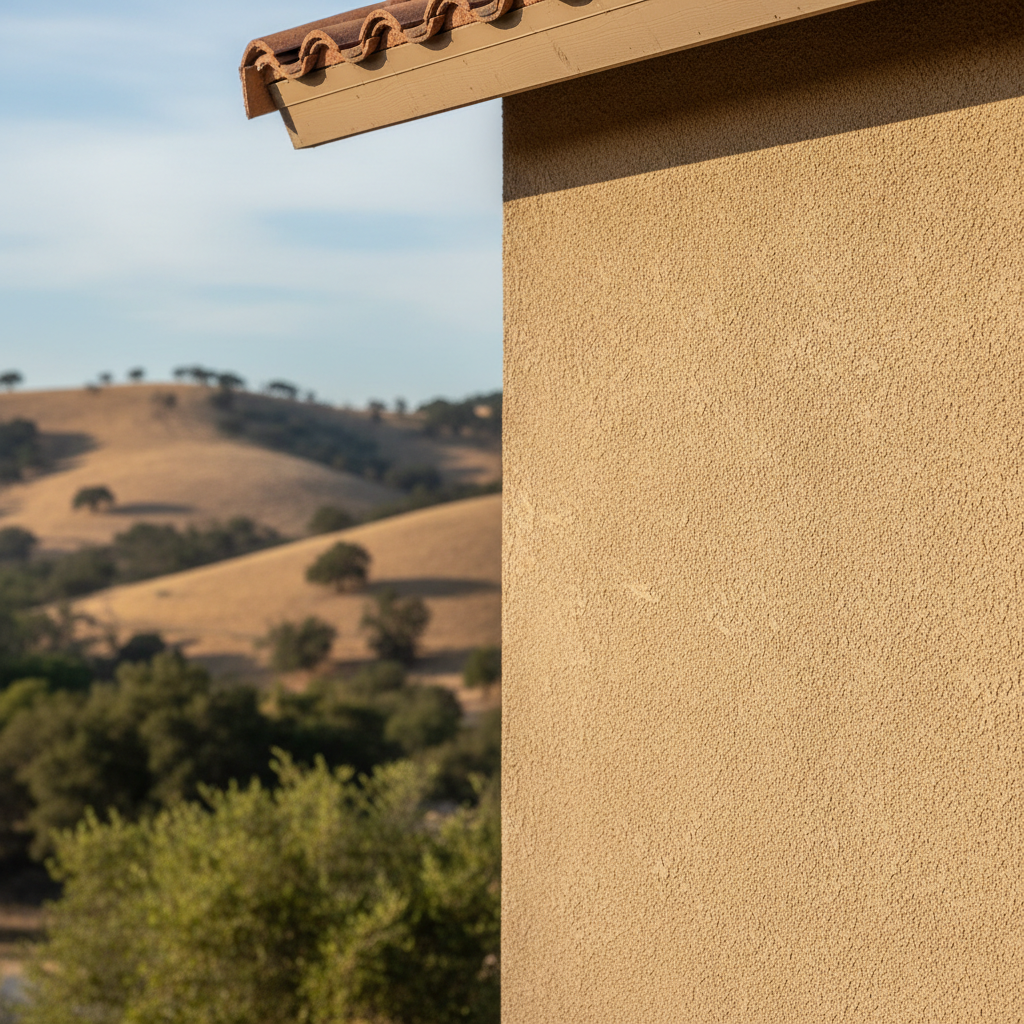
Alright, let's talk about stucco inspections. If you've got stucco on your Fairfield home, you naturally want to make sure it's doing its job – protecting your biggest investment, right? It's not always obvious when something's going wrong, and catching problems early can save you a whole lot of grief and money down the road. I've seen it countless times here in Fairfield, especially with our hot, dry summers followed by those occasional heavy winter rains; stucco really takes a beating. So, here's what you need to know about keeping an eye on your stucco, from what you can do yourself to when you absolutely need a pro.
Before the Project: Your DIY Visual Check
Before you even think about calling someone, you can do a pretty good initial check yourself. Think of it like a health check-up for your home's exterior. You're just looking for red flags, things that simply don't seem right. Grab a notepad, a pen, and take a walk around your house. Try to do this at least once a year, or after any major weather event.
- Look for Cracks: Hairline cracks are common and often just cosmetic. But if you see cracks wider than about 1/16th of an inch, or ones that are jagged, in a zigzag pattern, or around joints, those are bigger concerns. Even small cracks can let moisture sneak in, and that's where the real trouble starts.
- Check for Discoloration or Stains: Dark spots, streaks, or any kind of discoloration, especially around windows, doors, or at the base of the walls, can mean water is getting in. Also, keep an eye out for white, powdery stuff – that's called efflorescence. It's a sign that water is moving through the stucco and leaving mineral deposits behind.
- Feel for Soft Spots or Bulges: Gently tap or press on the stucco. If it feels soft, spongy, or you see areas bulging out, that's a big warning sign. It could mean the stucco is detaching from the wall or that moisture has built up underneath, and nobody wants that.
- Inspect Around Openings: Windows, doors, and vents are prime spots for water intrusion. Check the caulking and sealants around these areas. Are there any gaps, cracks, or is it brittle? Also, look at the flashing – that's the metal that directs water away. Make sure it's doing its job.
- Drainage Matters: Good drainage is critical. Look at your gutters and downspouts. Are they clear and directing water away from the foundation? Is the ground around your house graded so water flows away, not towards the stucco? Check the weep screed at the bottom of your walls; it's there to let water drain out from behind the stucco. Make sure it's not clogged.
If you spot any of these issues, especially the bigger cracks, soft spots, or significant discoloration, it's definitely time to consider bringing in a professional.
During the Project: When to Call a Pro
So, you've done your visual check, and you're seeing some things that make you uneasy. Or maybe you're buying an older home in a neighborhood like Cordelia, and you want to be sure you're not inheriting hidden problems. This is where a professional stucco inspection comes in. A general home inspector might give the stucco a quick look, but they don't have the specialized knowledge or tools to really dig deep.
A dedicated stucco inspector, like what we offer at Apex Stucco Solutions, will go beyond a visual check. They use specialized tools to get to the bottom of things. Here's what they'll typically do:
- Non-Invasive Inspection: This is still mostly visual but much more detailed. They'll look for expansion joints, proper weep screed installation, and flashing details. They're checking if the stucco was installed according to current standards. They'll also use tools like moisture meters on the surface to get initial readings.
- Invasive Inspection (Moisture Testing): This is the big one, and often necessary if there are signs of moisture or if you're buying an older home. They'll drill small holes (usually 1/4 inch) into the stucco in strategic spots to test the moisture content of the wood sheathing behind it. This tells them if water is getting trapped and causing damage you can't see. They might even use infrared cameras to detect temperature differences that point to hidden moisture. They'll also check the thickness of the stucco itself.
- Assessing Installation: A good inspector will look at how the stucco was originally installed. Improper installation, especially around moisture management, expansion joints, and drainage, is a common cause of failure.
An invasive inspection can take a few hours, and you'll get a detailed report outlining any issues, their severity, and recommendations. This is crucial for understanding the true condition of your stucco and planning any necessary repairs. If you're seeing brown streaks, bulging, or signs of mold, you definitely need a pro to assess the damage.
After the Project: Maintaining Your Investment
Once you've had an inspection and any necessary repairs are done, it's about staying on top of things. Stucco is durable, but it's not maintenance-free. Your annual visual checks are still important, by the way.
- Keep it Clean: Dirt, mold, and algae can build up, especially in shaded areas. You can gently hose down your stucco, but if you're thinking about pressure washing, leave that to a professional who knows how to do it without damaging the surface.
- Re-seal as Needed: Over time, sealants around windows and doors will degrade. Keep an eye on them during your visual checks and re-seal them promptly when they start to crack or pull away.
- Address Small Cracks: If you see new hairline cracks, you can often patch these yourself with a stucco patching compound. For anything larger, or if you're unsure, call in a professional.
- Don't Ignore Drainage: Make sure your landscaping isn't directing water towards your house. Keep plants and shrubs trimmed away from the stucco to allow for airflow and prevent moisture buildup.
Regular inspections, even just your own visual checks, can help you catch small issues before they become big, expensive problems. It's about protecting your home and ensuring your stucco continues to look good and perform well for years to come. If you ever have questions or need a thorough inspection, don't hesitate to reach out to local experts like us at Apex Stucco Solutions. We're here to help Fairfield homeowners keep their stucco in top shape.