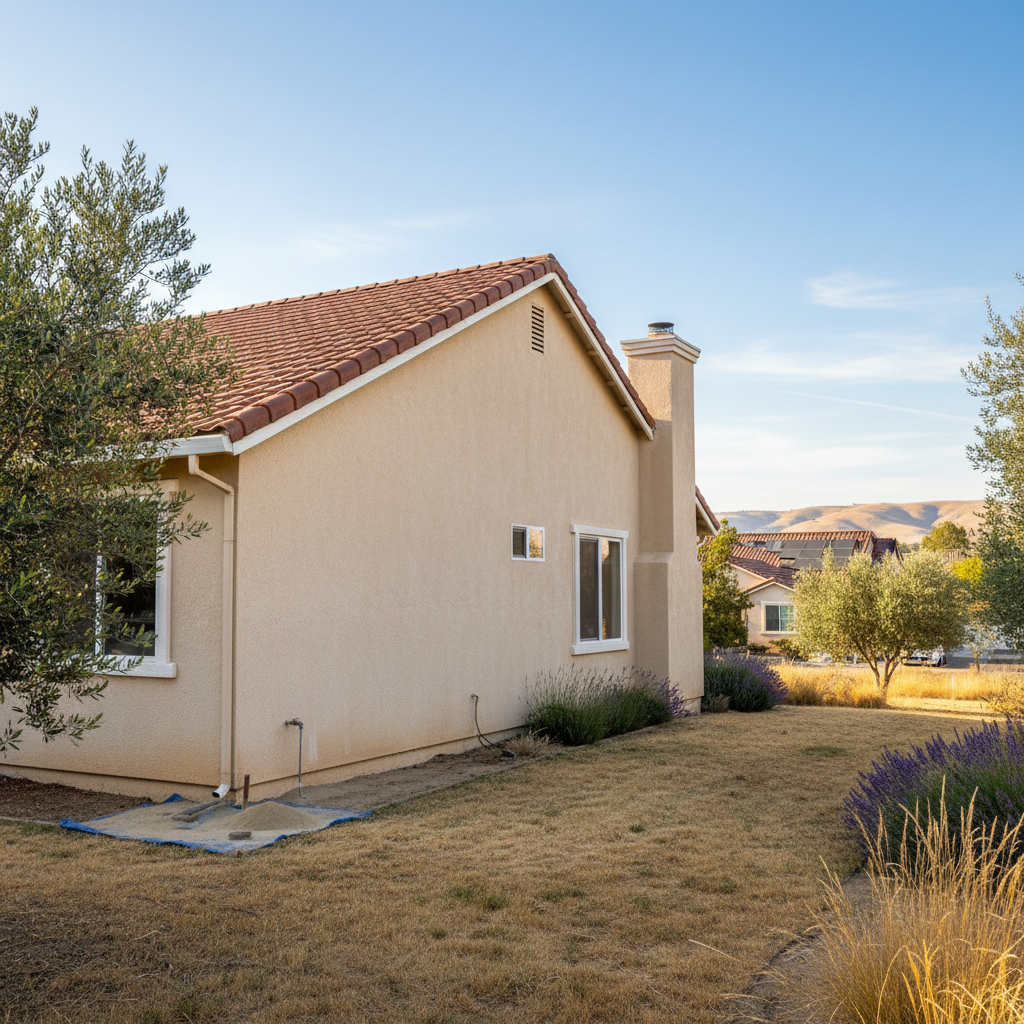
So, you need someone to check out the stucco on your Fairfield home. Maybe you're buying a new place, selling your current one, or hey, you just spotted some weird cracks and stains. Whatever the reason, your first thought is probably, "What's this going to cost me?" It's a fair question, and I'm here to give you some real answers, not just that vague "it depends" stuff.
What Makes a Stucco Inspection Cost What It Does?
A few key things really push the price up or down when you're getting your stucco looked at. It's not just a flat fee, you know? Every house is different, and every inspection needs to be super thorough to actually be useful.
- How Big Your Home Is: This is probably the biggest factor. A smaller 1,200 sq ft ranch house over in the Northgate area will be a lot quicker and easier to inspect than, say, a sprawling 3,000 sq ft two-story home in Green Valley. More square footage means more walls to check, more windows to look at, and just more time on site.
- How Easy It Is to Get Around: Can we easily reach all the stucco surfaces? If your house has complicated architectural bits, multiple levels, or tricky landscaping that makes putting up a ladder a nightmare, it's going to take more effort and time. Safety always comes first, so if we need special gear or extra hands to reach certain spots, that'll definitely be part of the cost.
- What Kind of Inspection You Need: Are you just looking for a visual check, or do you need a full-on, invasive moisture inspection? A visual inspection is pretty much what it sounds like: we look for visible signs of damage, cracks, staining, and proper flashing. An invasive inspection means drilling tiny holes, using moisture meters, and sometimes even taking out small sections of stucco to really see what's going on underneath. The invasive kind, naturally, takes a lot more work and costs more.
- How Old and What Condition the Stucco Is In: Older stucco, especially if nobody's really kept up with maintenance, often needs a closer look. If it's already showing serious signs of trouble, the inspector knows they'll spend more time writing down all the issues.
What You Can Expect to Pay in Fairfield – Typical Ranges
Alright, let's talk actual numbers. I've been doing this long enough to give you some realistic figures for our area. Just remember, these are ranges; you'll get a specific quote for your unique property.
- Basic Visual Inspection (Exterior Only): For a standard single-story home (let's say 1,500-2,000 sq ft), you're probably looking at anywhere from $350 to $600. This covers a thorough visual check of all exterior stucco, flashing around windows and doors, kick-out flashings, and the general condition. It's a good starting point if you have general worries or are doing a pre-listing check.
- Comprehensive Visual Inspection (Exterior & Interior): If you want the inspector to also look for moisture signs inside (like stains near windows or baseboards), that might add a bit. For that same size home, expect $500 to $800.
- Invasive Moisture Inspection: This is where things get more serious, and for good reason. If you suspect moisture is getting in, this is the inspection you need. For a typical Fairfield home, an invasive inspection can run from $800 to $2,000+. The price changes quite a bit depending on how many test spots are needed and how complex the areas are to test. This usually includes a detailed report with moisture readings and recommendations.
- Larger or More Complex Homes: For bigger homes (2,500 sq ft and up) or those that are tough to access, add 20-50% to these numbers.
Keep in mind, these prices are for independent stucco inspectors or specialized home inspectors. If you're getting a general home inspection for a purchase, it might include a basic visual stucco check, but it won't be as detailed as a dedicated stucco inspection. Not by a long shot.
What Should Your Quote Include?
When you get a quote from a pro, make sure it's clear exactly what you're paying for. A good stucco inspection quote from someone like Apex Stucco Solutions should include:
- On-site visual assessment: That's a detailed walk-around, checking all stucco surfaces for cracks, delamination, efflorescence, and proper installation.
- Inspection of critical areas: This means really focusing on window and door edges, where the roof meets the wall, any penetrations (like dryer vents or hose bibs), and where the foundation connects. These are often where problems start.
- Moisture meter readings (non-invasive): Even during a visual inspection, a good inspector will use a non-invasive moisture meter to check for higher moisture levels behind the stucco, especially around those vulnerable spots.
- Detailed report: You absolutely need a written report. This isn't just someone telling you what they found. It should include findings, photos of problem areas, and suggestions for repair or further investigation. For invasive inspections, it'll list specific moisture readings and their locations.
- Consultation: The inspector should be available to chat about their findings with you, answer your questions, and explain everything in plain English.
How to Avoid Paying Too Much for Your Stucco Inspection
You want a good inspection, but you definitely don't want to get ripped off. Here's how to be smart about it:
- Get Multiple Quotes: This is just common sense, right? Call at least two or three reputable stucco inspectors or specialized home inspectors in Fairfield. Compare what they offer and their prices.
- Ask for References: A good inspector will have happy clients. Ask for references and actually give them a call.
- Understand What's Covered: Make sure you know exactly what the inspection includes. If one quote is way lower, it might be because they're doing a less thorough job. Don't just pick the cheapest option without understanding why it's cheap.
- Look for Someone Specialized: While a general home inspector can do a basic check, someone who really focuses on stucco or building envelopes will probably give you a more in-depth and accurate assessment. They just know what to look for and where.
- Be Clear About Your Concerns: If you have specific worries (e.g., "I see a stain below this upstairs window"), point them out to the inspector beforehand. This helps them focus their efforts and makes sure they address your main issues.
A good stucco inspection is an investment, truly, not just another bill. It could save you thousands down the road by catching issues before they turn into huge structural headaches. So don't skimp on it, but do your homework to make sure you're getting good value for your money.