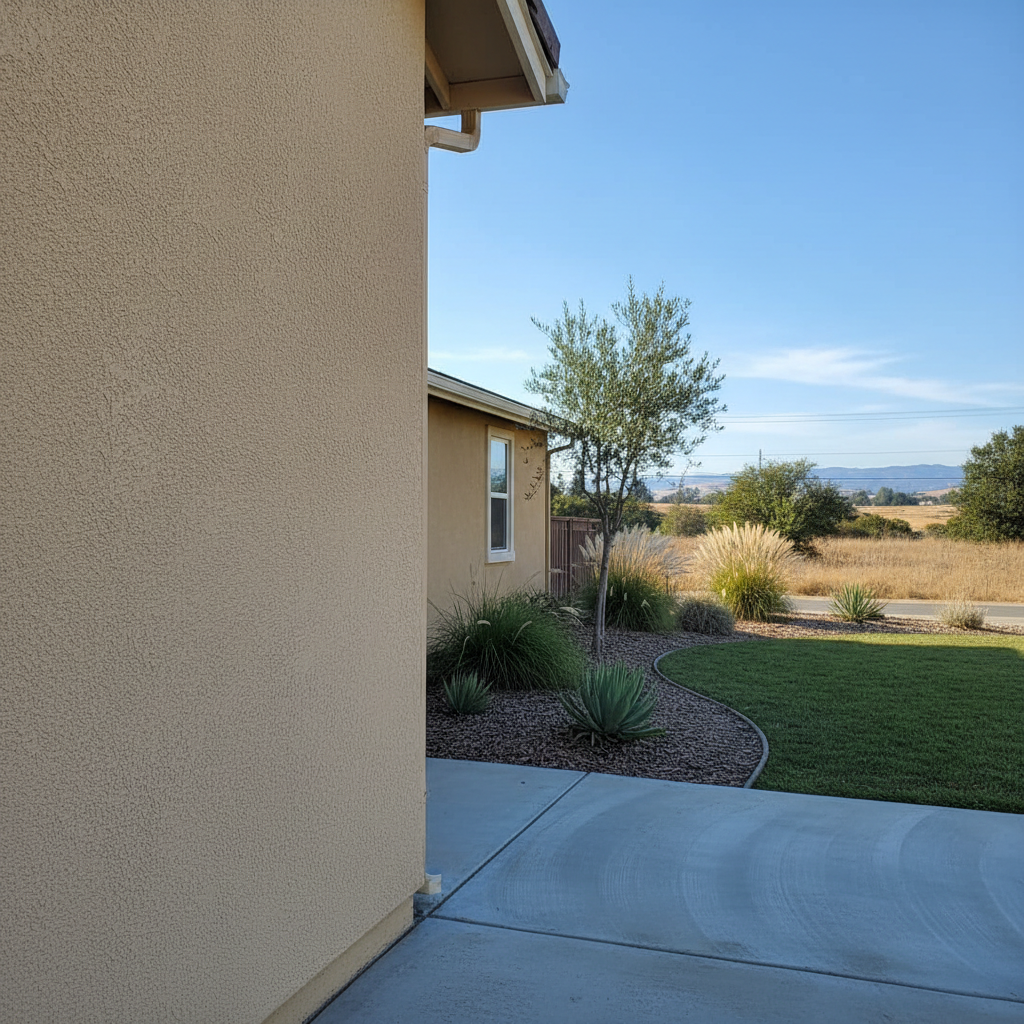
You've got stucco on your home, and you want it to last. Smart move. A well-kept stucco exterior isn't just about looking good; it's about protecting your biggest investment, plain and simple. I've been working with stucco in Fairfield for years now, and I've seen firsthand what happens when people ignore it, and what happens when they really take care of it. It's not brain surgery, but there are definitely a few things you should know.
Making Your Stucco Last Longer
Think of your stucco like any other part of your house — it needs a little love to stick around for the long haul. The single most important thing you can do to extend its life, especially here in Fairfield with our hot, dry summers and those occasional wet winters, is to keep it clean and dry. Moisture is stucco's arch-nemesis, and our climate can be tricky, right? We get those long dry spells where everything bakes, then sometimes we'll have weeks of heavy rain. That constant expansion and contraction, plus the wet-dry cycles, really stresses the material.
First off, keep an eye on your gutters and downspouts. Make sure they're clear and, crucially, directing water well away from your foundation. If water's constantly sheeting down your walls, or pooling right near the base, you're just asking for trouble. Also, trim back any bushes or trees that are directly touching the stucco. They can hold moisture against the wall, scratch the surface, and even give pests an easy path inside.
A good quality paint or sealant can also add years to your stucco. It acts as an extra shield against moisture and UV rays. But don't just slop anything on there; it absolutely needs to be breathable. Stucco has to breathe, or you'll trap moisture inside, which, believe me, is worse than no sealant at all. If you're not sure what to use, just ask a pro.
Regular Upkeep: What to Do and When
This isn't an all-day chore, but it does need a bit of attention a couple of times a year. I always tell my clients to do a quick walk-around in the spring and then again in the fall.
- Clean it: Every year or two, give your stucco a good, gentle cleaning. A soft brush and a mild detergent solution (like dish soap and water) can work wonders. Just don't use a high-pressure washer too close or on too strong a setting — you could damage the finish, or even blast water into tiny cracks. A garden hose with a spray nozzle is usually plenty.
- Check for cracks: Look for hairline cracks, especially around windows, doors, and where different building materials meet. These are common, but they can be entry points for water.
- Inspect flashing: Make sure all flashing around windows, doors, and rooflines is intact and properly sealed. This is super important for diverting water.
- Look at landscaping: As I mentioned, keep plants away from the stucco. Also, check your irrigation system. Sprinklers hitting the wall repeatedly are a big no-no.
Warning Signs of Trouble
You don't need to be a stucco expert to spot problems, but you do need to know what to look for. These are the red flags:
- Cracks wider than a credit card: Hairline cracks are usually fine, but anything wider is a concern. Especially watch for cracks that run horizontally or in a spiderweb pattern.
- Discoloration or staining: Dark streaks, particularly under windows or near the roofline, often mean water's getting in. Green or black patches could be mold or mildew, which definitely means moisture is present.
- Bulging or soft spots: If you press on the stucco and it feels soft, spongy, or bulges out, that's a serious problem. It usually means moisture has gotten behind the stucco and is damaging the stuff underneath.
- Stucco detaching: If you see areas where the stucco is visibly pulling away from the wall, or if you hear a hollow sound when you tap on it, you've got a delamination issue.
- Efflorescence: This is a white, powdery substance that shows up on the surface. It's mineral salts left behind when water evaporates from inside the stucco. It means you have a moisture problem.
I've seen homes in neighborhoods like Cordelia where the stucco on north-facing walls — which get less sun and stay damp longer — can show these signs earlier if people aren't keeping up with maintenance. It's really all about managing that moisture, isn't it?
When to Call a Professional
For small, hairline cracks, you can often patch them yourself with a good quality elastomeric caulk or stucco patch. But for anything more significant, or if you're seeing any of those warning signs I just listed, it's time to call in a professional. Don't wait. A small problem can quickly turn into a huge, expensive headache if you just let it go.
If you're seeing widespread cracking, significant discoloration, or soft spots, you really need an expert to figure out what's going on and recommend a repair. Trying to DIY a major stucco repair can actually make things worse, leading to even more extensive damage later on. We've certainly seen it happen. At Apex Stucco Solutions, we're always happy to come out, take a look, and give you an honest assessment of what's going on. It's just better to be safe than sorry when it comes to your home's exterior.