Before You Start: Get Ready to Inspect
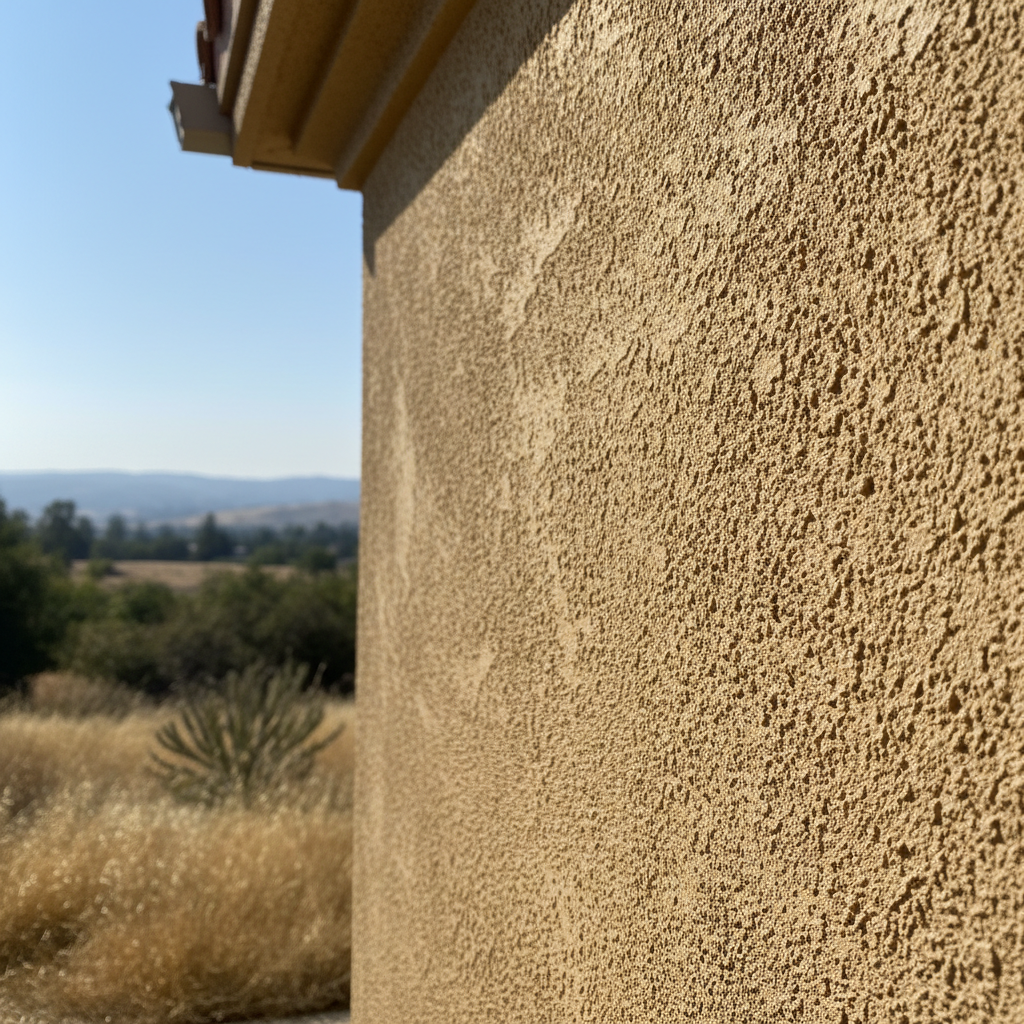
Alright, let's talk stucco inspections. You've got stucco on your Fairfield home, and you're probably wondering what to look for, right? It's not rocket science, but there are definitely things you, as a homeowner, can spot that'll save you a headache down the road. Before you even step outside, grab a notepad, a pen, and your phone or a camera. You'll want to document anything you find – pictures are gold here. Also, think about when your stucco was last serviced or if you've noticed any issues lately, like maybe a sudden spike in your energy bill or a strange smell inside the house.
You're looking for signs of trouble, big or small. Sometimes it's obvious; other times it's sneaky. The goal here isn't to become a stucco expert overnight, but to be an informed homeowner who knows when to roll up their sleeves and when to pick up the phone.
Your DIY Stucco Inspection Checklist: What to Look For
Okay, let's get outside. You're going to do a visual inspection, and maybe a little tap-tap-tap. Walk around your entire house, paying close attention to these areas:
- Cracks: Not all cracks are bad, but some definitely are. Hairline cracks, especially around windows and doors, are pretty common. But if you see cracks wider than a credit card, or if they're running diagonally from the corners of openings, that's a red flag. Step back and look at the whole wall. Are there patterns? Spiderweb cracks (crazing) are usually just cosmetic, but deeper, wider cracks can mean structural movement or water intrusion.
- Stains and Discoloration: See any dark streaks? Look especially under windows, near the roofline, or around vents. That's often a sign of water consistently running down the wall. Green or black spots could be mold or mildew, which means moisture is hanging around longer than it should. Keep an eye out for rust stains too, perhaps from metal flashing or fasteners.
- Bulges, Bubbles, or Soft Spots: Gently press on the stucco in different areas. Does it feel soft or spongy? Do you see any areas where the stucco seems to be bulging out from the wall? That's a strong indicator of water trapped behind the stucco, potentially rotting the sheathing underneath. This is a big one, folks.
- Flashing and Sealants: This is crucial. Check around all penetrations – windows, doors, vents, pipes, and where the stucco meets the roof or foundation. Is the flashing in place? Is the caulk or sealant cracked, missing, or pulling away? These are common entry points for water. Living in Fairfield, we get those hot, dry summers that can really bake and shrink sealants, so you can't ignore this spot.
- Weep Screeds and Kick-Out Flashing: At the very bottom of your stucco wall, there should be a metal strip called a weep screed. It's designed to let any water that gets behind the stucco drain out. Make sure it's clear of dirt, debris, or landscaping. Also, check the kick-out flashing where your roof meets a wall – it's a small piece of metal that directs water away from the wall. If it's missing or damaged, water will just dump right onto your stucco.
- Gutters and Downspouts: Are your gutters clean and directing water away from your house? Clogged gutters can overflow, sending water cascading down your stucco, which is a recipe for disaster.
Don't just stand there. Get up close, use a flashlight if it's a cloudy day or you're looking into a shaded area. Take your time.
When to Call in a Pro: Beyond DIY
You've done your walk-around. You've got your notes and pictures. So, when do you call someone like us at Apex Stucco Solutions? If you find any of these issues, it's time to bring in the experts:
- Extensive or Wide Cracks: Anything wider than 1/8 inch, or cracks that seem to go deep into the wall.
- Soft Spots or Bulges: This almost always means water damage behind the stucco, and that's not something you can fix with a tube of caulk.
- Persistent Staining or Mold: Especially if it keeps coming back after you clean it, or if it's covering a large area. This points to an ongoing moisture issue.
- Damaged Flashing or Weep Screeds: If these critical components are compromised, your home is vulnerable.
- Suspected Leaks Inside: If you're seeing water stains on interior walls or ceilings that correspond to an exterior stucco wall, you've got a serious problem that needs immediate professional attention.
- You Just Don't Feel Right About It: Trust your gut. If something looks off and you're not sure, it's always better to get a second opinion from someone who deals with stucco every single day.
We've seen it all, from minor cracks to full-blown dry rot behind stucco in older homes around the Travis Air Force Base area. Sometimes, what looks like a small issue on the surface is actually a much bigger problem underneath. A professional inspection involves specialized tools like moisture meters and sometimes even thermal imaging to see what's going on behind the stucco without tearing into your walls. We can pinpoint exactly where the water is getting in and assess the extent of any damage.
After the Inspection: Your Next Steps
If your DIY inspection went well and you didn't find anything major, that's great! Keep up with regular cleaning and sealant maintenance. If you did find issues, don't panic. Get a few quotes from reputable stucco contractors in Fairfield. Make sure they're licensed and insured, and ask for references. A good contractor will explain what they found, show you pictures, and give you a clear plan for repair. Don't feel pressured into immediate, expensive repairs unless there's a clear emergency. Take your time, get informed, and make the best decision for your home.